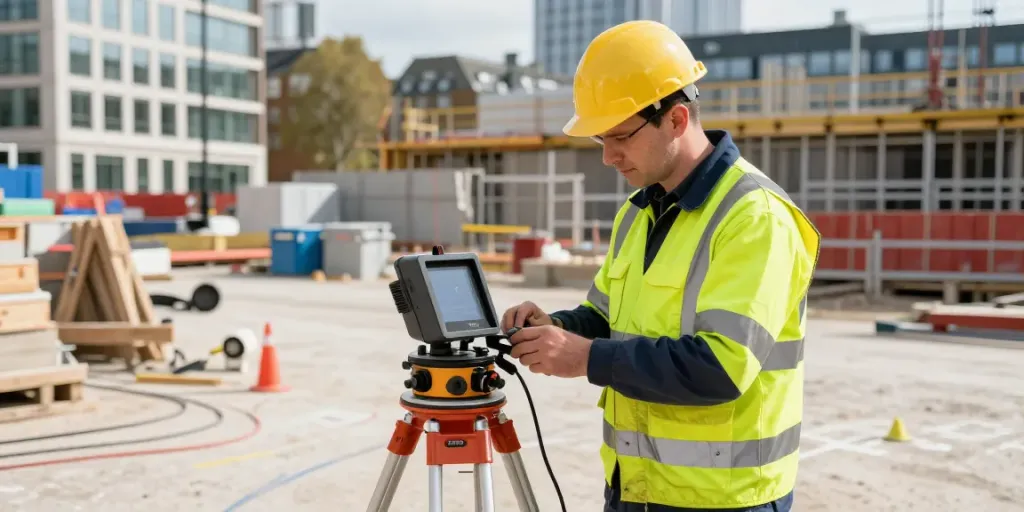
Understanding the Role of Utility Surveyors London
Utility surveyors play a critical role in the construction and infrastructure industries, particularly in urban environments like London. Their expertise in mapping and identifying underground utilities is vital for the safe and efficient execution of projects. As a bustling metropolis, London faces unique challenges concerning its subterranean landscape, necessitating highly skilled professionals to navigate these complexities. When exploring options, Utility Surveyors London provides comprehensive insights into this essential discipline.
What Do Utility Surveyors Do?
Utility surveyors are responsible for detecting, mapping, and managing the various underground utilities that lie beneath the surface of our cities. These utilities include cables, water mains, gas pipelines, sewer lines, and telephone lines, among others. Their work primarily involves using advanced surveying techniques, including Ground Penetrating Radar (GPR), electromagnetic location, and visual surveys to accurately map the positions of these utilities.
The utility survey process typically begins with a thorough desk study, where existing plans and records are reviewed to identify potential areas of interest. Following this, fieldwork is conducted to verify the presence and location of the utilities. Utility surveyors must ensure their findings are communicated clearly to the relevant stakeholders to prevent service disruptions during construction.
Importance of Utility Surveys in Construction
Underground utility surveys are invaluable in the construction industry for several reasons:
- Preventing Damage: Accurately identifying utility locations helps prevent damage during excavation, which can lead to costly repairs and project delays.
- Enhancing Safety: Knowing the precise locations of utilities reduces the risk of accidents, ensuring the safety of construction workers and the public.
- Regulatory Compliance: Many local regulations require utility surveys to be completed before any excavation work can commence, ensuring compliance with safety and environmental standards.
Benefits of Hiring Utility Surveyors in London
Hiring utility surveyors can greatly enhance project efficiency and save costs. Below are some key benefits of engaging professionals in this field.
Maximising Project Efficiency through Accurate Mapping
Accurate mapping of underground utilities is crucial in maximising project efficiency. Utility surveyors provide precise data that enables construction teams to plan their work effectively, reducing the likelihood of unexpected delays. When utility information is readily available, teams can optimise their excavation strategies, ensuring a smoother workflow and timely project completion.
Cost-Effectiveness Derived from Expert Surveys
Investing in utility surveys is cost-effective in the long run. By avoiding utility strikes, which can lead to significant financial losses, companies save money on repair costs and potential legal repercussions. Additionally, thorough surveys can prevent costly project delays, ensuring that timelines are adhered to and budgets are maintained.
Minimising Risks in Construction Projects
Utilising the services of experienced utility surveyors helps to minimise various risks associated with construction projects. Their detailed reports and analysis enable project managers to make informed decisions, reducing the chances of unexpected issues arising during construction. Furthermore, they can assist in ensuring compliance with health and safety regulations, thereby protecting workers and the public.
Challenges Faced by Utility Surveyors London
Despite their critical role, utility surveyors face several challenges that can impact their work and the overall success of projects.
Common Misconceptions about Utility Surveys
One prevalent misconception is that utility surveys are unnecessary if existing plans are available. However, these plans can often be outdated or inaccurate. Utility surveys provide a current and precise assessment of underground conditions, ensuring that construction teams have the most accurate information available.
Environmental Factors Affecting Survey Accuracy
Utility surveyors must contend with various environmental factors that can affect the accuracy of their surveys. Soil composition, moisture levels, and nearby structures can all introduce challenges that require expertise and adaptability. Understanding these factors is essential for surveyors to deliver reliable results.
Regulatory Compliance and Its Impact on Surveying
Compliance with local regulations and standards, such as PAS 128, adds another layer of complexity for utility surveyors. They must stay abreast of the latest legislation and ensure that their methods align with these requirements, which can be time-consuming but is crucial for project success.
Best Practices for Engaging Utility Surveyors
When engaging utility surveyors, following best practices can ensure you select the right professionals for your project.
Choosing the Right Utility Surveying Company
It is essential to choose a surveying company with a proven track record and expertise in the relevant area. Look for companies that employ qualified personnel, possess the latest technology, and have strong customer reviews. A thorough selection process can significantly influence project outcomes.
Essential Questions to Ask Your Utility Surveyor
When speaking with potential utility surveyors, asking the right questions can help gauge their competency. Some questions to consider include:
- What technologies do you use for utility detection?
- How do you ensure the accuracy of your surveys?
- Can you provide references from previous clients?
Integrating Survey Results into Project Plans
Once utility surveys are completed, it’s crucial to integrate the findings into project plans effectively. This includes sharing the data with all stakeholders, ensuring that engineers and construction teams have access to the information for planning and execution.
Future Trends in Utility Surveying by 2026
The field of utility surveying is evolving rapidly, with emerging technologies and market trends shaping its future.
Emerging Technologies in Utility Surveying
By 2026, we anticipate a significant increase in the use of advanced technologies such as drone surveying and 3D mapping. These innovations can enhance the accuracy and efficiency of utility surveys, allowing for faster data collection and analysis.
Predictions for the Utility Surveying Market in London
The demand for utility surveying services in London is likely to grow as infrastructure projects continue to expand. With increasing urbanisation and the need for smart city solutions, utility surveyors will play a vital role in shaping the future of London’s infrastructure.
How Utility Surveyors Can Adapt to Changing Regulations
As regulations evolve, utility surveyors must be agile in their approach, continually updating their methods and training to ensure compliance. Participating in ongoing education and industry seminars can keep surveyors informed about the latest regulatory changes and technological advancements.
What is the average salary for a Utility surveyor in the UK?
The average salary for a utility surveyor in the UK varies depending on experience and location, but it generally falls within the range of £30,000 to £50,000 per year. More experienced professionals can earn upwards of £60,000.
How much does a home survey typically cost in London?
Home surveys in London typically range from £200 to £1,000, depending on the size of the property and the type of survey required. It's essential to obtain several quotes to ensure competitive pricing.
How much does a GPR survey cost?
The cost of a GPR survey can vary based on the project size and complexity, typically ranging from £500 to £2,000. Additional factors such as location and specific client requirements can influence pricing.
What is the most accurate way to locate buried utilities?
The most accurate methods for locating buried utilities typically involve a combination of electromagnetic detection and GPR technologies. These methods provide comprehensive data, ensuring high accuracy in mapping underground services.
What are the common challenges faced by utility surveyors?
Common challenges faced by utility surveyors include dealing with outdated plans, miscommunication with contractors, environmental influences affecting survey results, and the need for compliance with evolving regulations.